


About Media Forum

Schedule
"Walk with a Troubadour". Video Art premieres at the MIFF
Retrospective screening of Gary Hill works and premiere of the "Psychedelic Gedankenexperiment"
The "Great expectations" program. Special screening
The "Talking Cinema" program at summer movie theater MUZEON
For Press
Partners
Contacts

XVI Media Forum of 37 Moscow International Film Festival, June 21—26, 2015
Organized by: MediaFest, MediaArtLab Centre for Art and Culture, Mediafest
Co-organizer: Park of Arts Muzeon
Partners: Mikhail Prokhorov Foundation, Swedish International Committee for artists support Iaspis, Embassy of the Kingdom of the Netherlands in Russian Federation, Embassy of the United States of America in Russian Federation
 XVI Media Forum of the 37 MIFF (.pdf)
Media Forum in MIFF catalogue (.pdf)
XVI Media Forum of the Moscow International Film Festival is an annual parallel program within the film festival, which brings together contemporary artists and film directors working between the intersections of film, video and media art.
Exhibition, theater and movie theater spaces converge and expand their spheres of influence: contemporary video artists can be seen more and more within programs of film festivals, while film directors – at the museum spaces. Reflecting on this trend, this year's Media Forum rejects the usual exhibition format and places new works by internationally known video artists in the movie theatre space. Contemporary avant-garde art also falls within this research interest: multidisciplinary projects break standards of audience’s perception, reflect on artistic method and go beyond movie screens and exhibition halls.
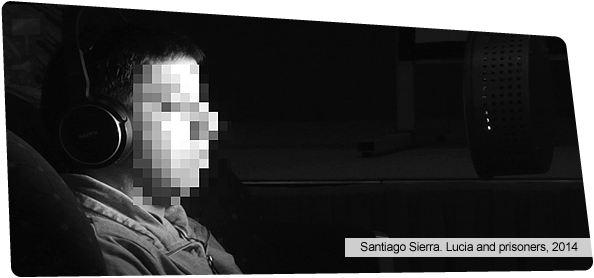
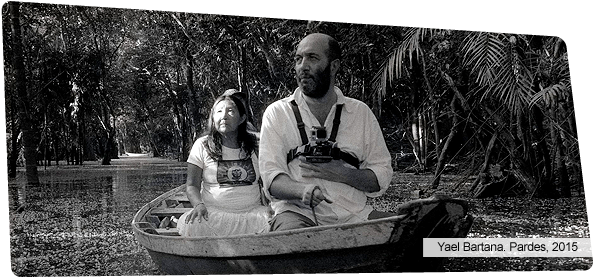
The 2015 Media Forum is bringing several season premieres of international video art celebrities to Moscow, among them — Gary Hill, Yael Bartana, Johanna Billing and art group Provmyza. And works by artists Anri Sala, Santiago Sierra, Guido van der Werve, Bill Morrison and Anton Ginzburg who have been acclaimed by the leading film festivals and museums of the world, such as MoMA in New York, Stedelijk Museum in Amsterdam, film festivals in Locarno, Rotterdam, Manchester, and galleries of London and Berlin.
"Walk with a Troubadour": Video Art premieres at the MIFF

June 21—24, 2015
Multiplex Cinema “October”, Novy Arbat street, 24
Curator: Olga Shishko (Russia)
Participants: Anri Sala (Albania-France) together with Liria Begeja (France), Anton Ginzburg (Russia-USA), Santiago Sierra (Spain), Yael Bartana (Israel), art group "Provmyza" (Russia), art group “Boundless expanses” (Russia), Guido van der Werve (Netherlands), Aram Karsi (Russia), Bill Morisson (USA), Johanna Billing (Sweden).
Olga Shishko, art critic, author and curator of "Walk with a Troubadour" video program, artistic director of the MIFF Media Forum:
"At the moment it is impossible to draw the line between video art and cinema, as it had been shown in such Media Forum projects as 'Expanded Cinema', 'Towards to Tactile Cinema', 'Mockumentary: Reality is Not Enough', 'Transitland'.
In the 16 years of its work Media Forum has been demonstrating projects of artists who work with the mockumentary theme, creating visual hoaxes, who experiment with tactile video language, create a new narrativity in search of a 'smart' image and focus the viewer's attention on the transformation of our linear perception into spatial.
This year we shift our focus to the sound. By 'sound and hearing' we mean a kind of structure that reveals the relationship between people in the society, referring to the sound as one of the main tools in video art and cinema.
In the works selected for Media Forum sound appears as one of the universal means of communication. It enables different communities to understand each other when words become impersonal. It becomes an instrument shaping the internal states and ideas. Sound itself is already in constant motion on its own. It sounds, resonating, breaking boundaries and penetrating through all barriers. The performativity is the essence of the sound".
10 premieres by the world stars in the field of cinema and video art will be shown as a part of the Media Forum at the “October” cinema. The works focus on sound and create a visual orchestra on screen.
Video program “Walk with a Troubadour” is a first part of the long-running project (there are screenings, master classes and an exhibition ahead). The works assembled for Media Forum-2015 will reveal a hidden performativity of contemporary social and artistic processes. The pieces are created by the artists working on the borders of cinema, video art and music. The Troubadour is simultaneously a musician, a poet and a performer of his own works. The new troubadours invite the viewer to talk about the inner harmony of man and society in the contemporary world, about the attempts to find and not to lose your own voice, to come into your own tune and not to forfeit it.
The polyphony, improvisation, experiments with the process of creating a multiplying sonal and vivid layering, strung on the idea of the all-seeing and all-hearing, lead to the interesting formal breaks: incongruity of the hearing and dislocation of the listener; a search for the “dead spot”; dissection of the manners of sound, etc. Every single film is a creation of a resonant space, the expansion of sound, and of the cinematic or performative framework. Authors appear before the viewer as modern troubadours telling about invisible matters, of hidden, but inherent in everything around us musicality.
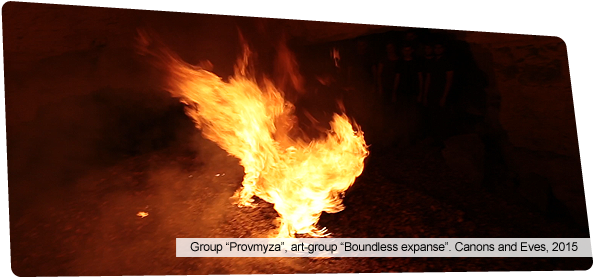
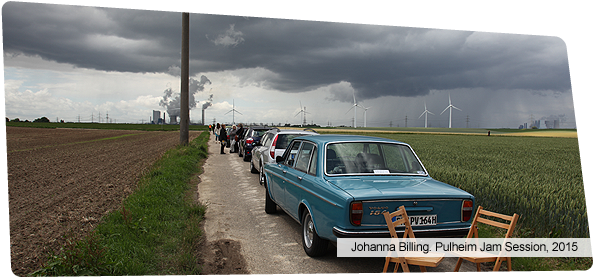
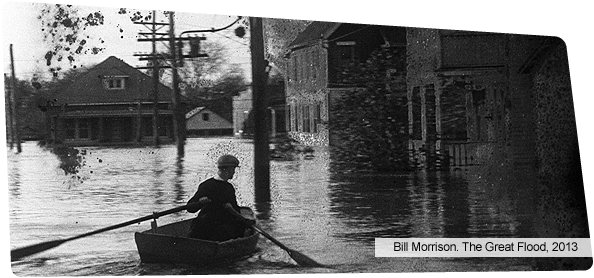
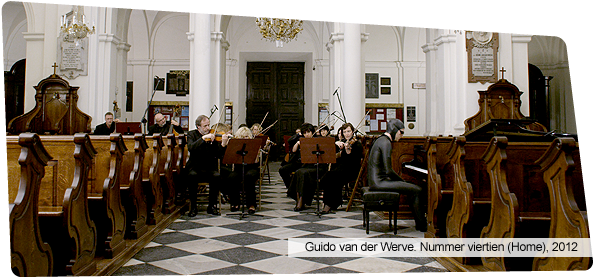
The new human, sounding universe is created by means of poetry, sound and rhythm: a nocturne by Chopin in the Guido van der Werve's video, sounds of the universe in Anton Ginzburg's soundscape, Mozart's Requiem in sync with the inner turmoil of Anri Sala and Liria Bégéja's heroine, resonant poetic dialogue by Gary Hill, signals from the past by Bill Morrison, Johanna Billing's improvisational orchestra composed of 60 cars, sound canons and eves by “Provmyza” group and “Boundless expanses” art-group.
Retrospective screening of Gary Hill works and premiere of the "Psychedelic Gedankenexperiment"

June 21, 2015
Multiplex Cinema "October", Novy Arbat street, 24
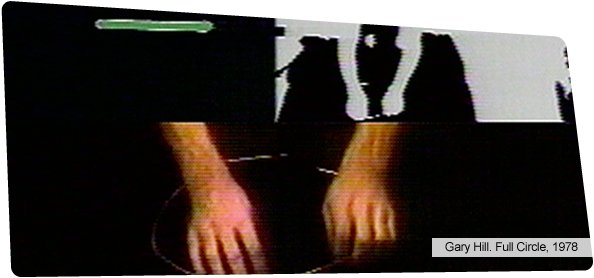
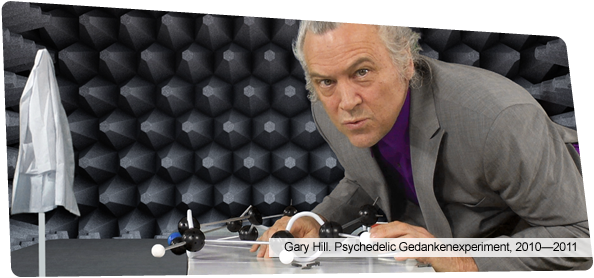
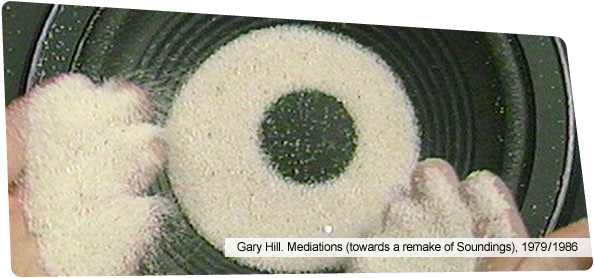
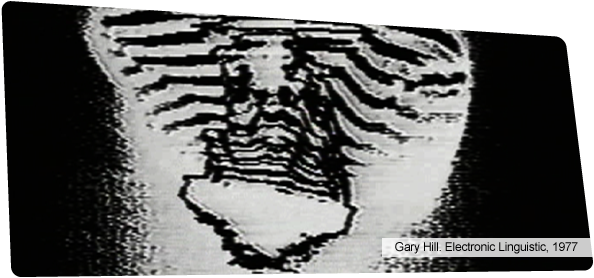
Gary Hill still stands apart from the world of showy and entertaining art. Hill has worked with a broad range of media — including sculpture, sound, video, installation and performance — since the early 1970’s. His longtime work with intermedia continues to explore an array of issues ranging from the physicality of language, synesthesia and perceptual conundrums to ontological space and viewer interactivity. This artist does not appreciate media fads and technical innovations; however, he makes his technological works not for the technology itself, but plays with it. Video art for him is a way of thinking aloud. But we can see in his works a development of linguistic theories, modern poetry accents and associations to Gnostic apocrypha. His perception of the world comes through the literary text and images, which makes him close to the Moscow Conceptualism, and this is another reason we wish to present works of this remarkable artist to the Russian audience as completely as possible. This year Gary Hill comes to Media Forum again, not only with a retrospective screening of his works, but with a premiere of his new video — “The Psychedelic Gedankenexperiment”.
The retrospective screening combines projects starting from Hill’s early linguistic experiments 1977 till 1989. The viewer will get an opportunity to follow the evolution of Gary Hill artistic method and become a witness of practiced audio-visual experiments. Each of the works reveals a specific approach of dealing with image and linguo-acoustics. Hill appears here as researcher who performs experiments on screen again and again.
The "Great expectations" program. Special screening

June 25, 2015, 22:00
Summer movie theater MUZEON, Krymsky val, building 2
Curators: Olga Shishko (Russia), Elena Rumyantseva (Russia)
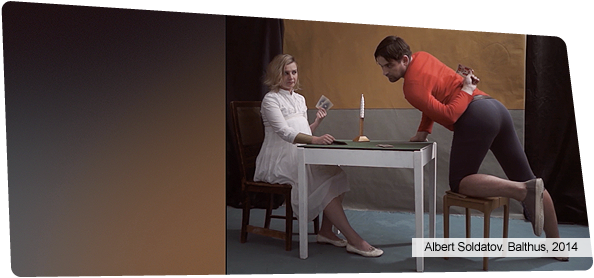
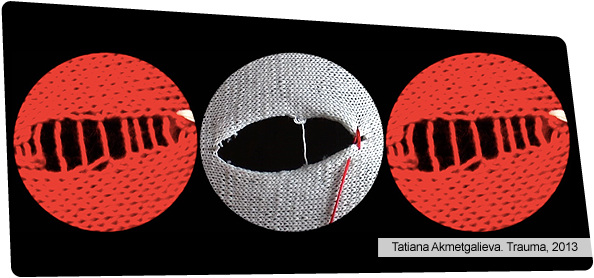
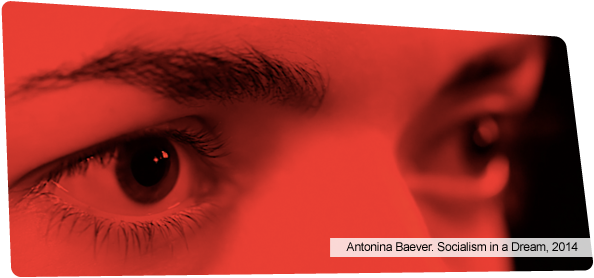
Participants of the Great Expectations Project: Antonina Baever, Evgeny Granilschikov, Elena Koptyaeva, Roman Mokrov, Sasha Pirogova,Tatiana Akhmetgalieva and Albert Soldatov (all — Russia).
The «Great Expectations» program is a project created by three institutions — MEA “Manege”, «MediaArtLab» Center for Art and Culture and «Triumph" Gallery. The new generation of artists has found itself in a very complicated historical context, when changes around them make them turn again and again to the search of identity.
The "Talking Cinema" program at summer movie theater MUZEON

June 23, 26, 30, July 7 and 14, 2015, 22:00
Summer movie theater MUZEON, Krymsky val, building 2
Curator: Alexey Artamonov (Russia)
Participants: Nicolas Rey (France), Alain Cavalier (France), Jonas Mekas (USA), James Benning (USA), Angela Ricci Lucchi & Yervant Gianikian (Italy).
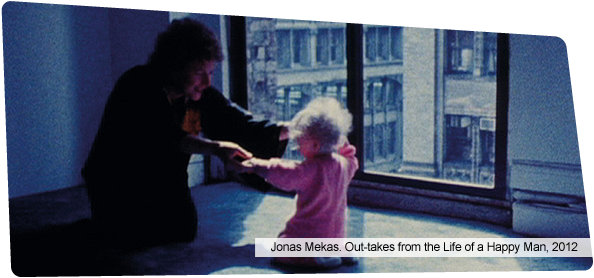
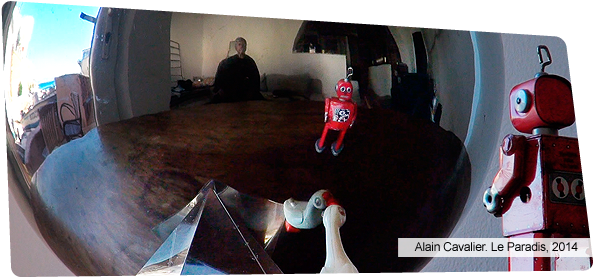
Parallel Program of the XVI Media Forum will be held at the Summer movie theater MUZEON. Talking Cinema Program curated by film critic Alexey Artamonov consists of several outstanding pieces of contemporary avant-garde cinema, where authors experiment with possibilities of narration. The program will present films-essays "Differently, Molussia" by Nicolas Rey, "Le Paradis" by Alain Cavalier, "Out-takes From the Life of a Happy Man" by Jonas Mekas, "Pays Barbare" by Yervant Gianikian and Angela Ricci Lucchi and "Stemple Pass" by James Benning. The film directors work differently with tactics of the so-called talking cinema; their films-diaries, films-confessions, films-poems participated in programs of leading international film festivals — Berlinale, festivals in Rotterdam, Locarno, Toronto, Vienna and Torino. Artistic strategies of these films go beyond both traditional entertaining cinema and festival art mainstream, that is why their works remain virtually unknown to the mass audience. Screenings at the Summer movie theater MUZEON will provide the important film directors with a place within public space and give an opportunity to the mass Moscow audience to get acquainted with their work.
Venues
Multiplex Cinema “October”
Novy Arbat street, 24
karofilm.ru
Summer movie theater MUZEON
Krymsky val, building 2
muzeon.ru
Contacts
Julia Grachikova
+ 7 (905) 719-66-85
ididshe@gmail.com